Affordable Excellence: How High End Watch Brands are Creating Accessible Options for the Enthusiast
It is a global phenomenon: some of the most exclusive independent watch brands have in the last five years created more accessible and more affordable sister brands or collections. These are undoubtedly linked to the main brand thanks to similar design features and a similar spirit. Just look at MB&F and its M.A.D.Editions in Switzerland, Grönefeld and Grøne in the Netherlands, and Hajime Asaoka with Kurono Tokyo. Their normal offering is in the tens or hundreds of thousands of dollars, and now their sister brands offer watches for a few thousand – and you don’t have to wait for years to get a watch.
Why are they doing this? What effect does it have on the general perception of the main brand? What are the collectors’ reactions to the more accessible offerings?
Occasionally, it goes in the other direction. The Finnish brand Leijona’s Heritage 1907 Collection punches above its weight. It shows that a quartz based, mass market brand can make Swiss Made mechanicals together with a legend like Kari Voutilainen. We’ll get back to that. Just as we’ll get to Swatch’s recent collaborations with its fancier siblings within the Swatch Group.
This phenomenon is all but new. Just look at Rolex and Tudor, the latter registered in 1926. “It was exactly the same as what we see today. Rolex founder (Hans) Wilsdorf wanted to offer high-quality watches at more affordable prices,” said watch expert Gianfranco Ritschel.
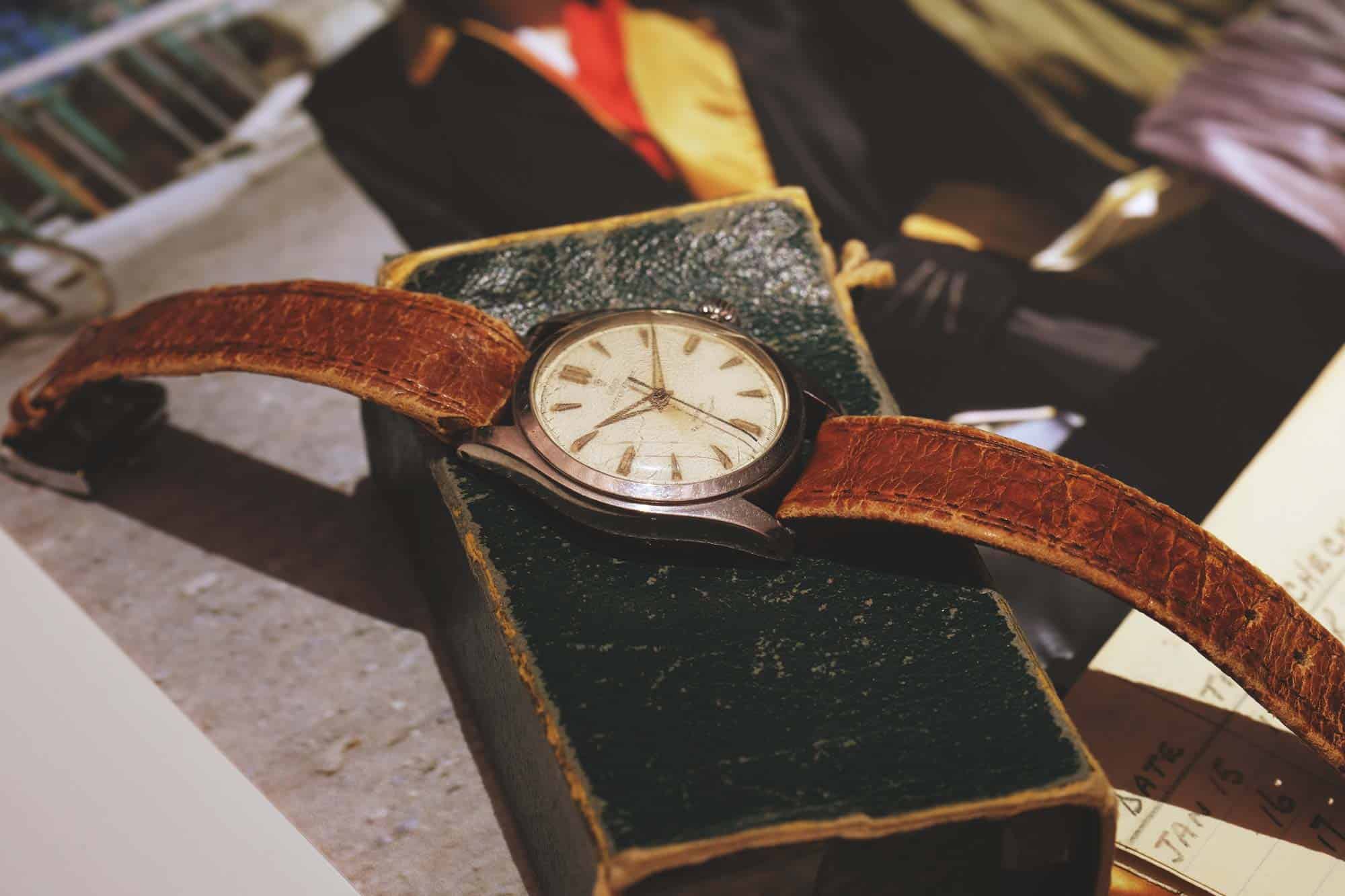
Another example, half a century removed, is Cartier, which launched the affordable Must de Cartier collection in the 1970s. This sub-brand included not just watches, but wallets, lighters, and other items in its offering. The watches, including Le Must de Cartier Tank, used cheaper quartz or mass produced mechanical movements and were thinly plated rather than using solid gold. “Cartier was the king; it was the top of the top. And it took a huge risk doing something like this, as an affordable collection could dilute the brand and might be considered vulgaire by existing high-end clients,” Mr. Ritschel said. History has, however, proven that Cartier’s bold move worked. Today the brand still offers watches ranging from a few thousand dollars to unique creations priced well into the six figures.
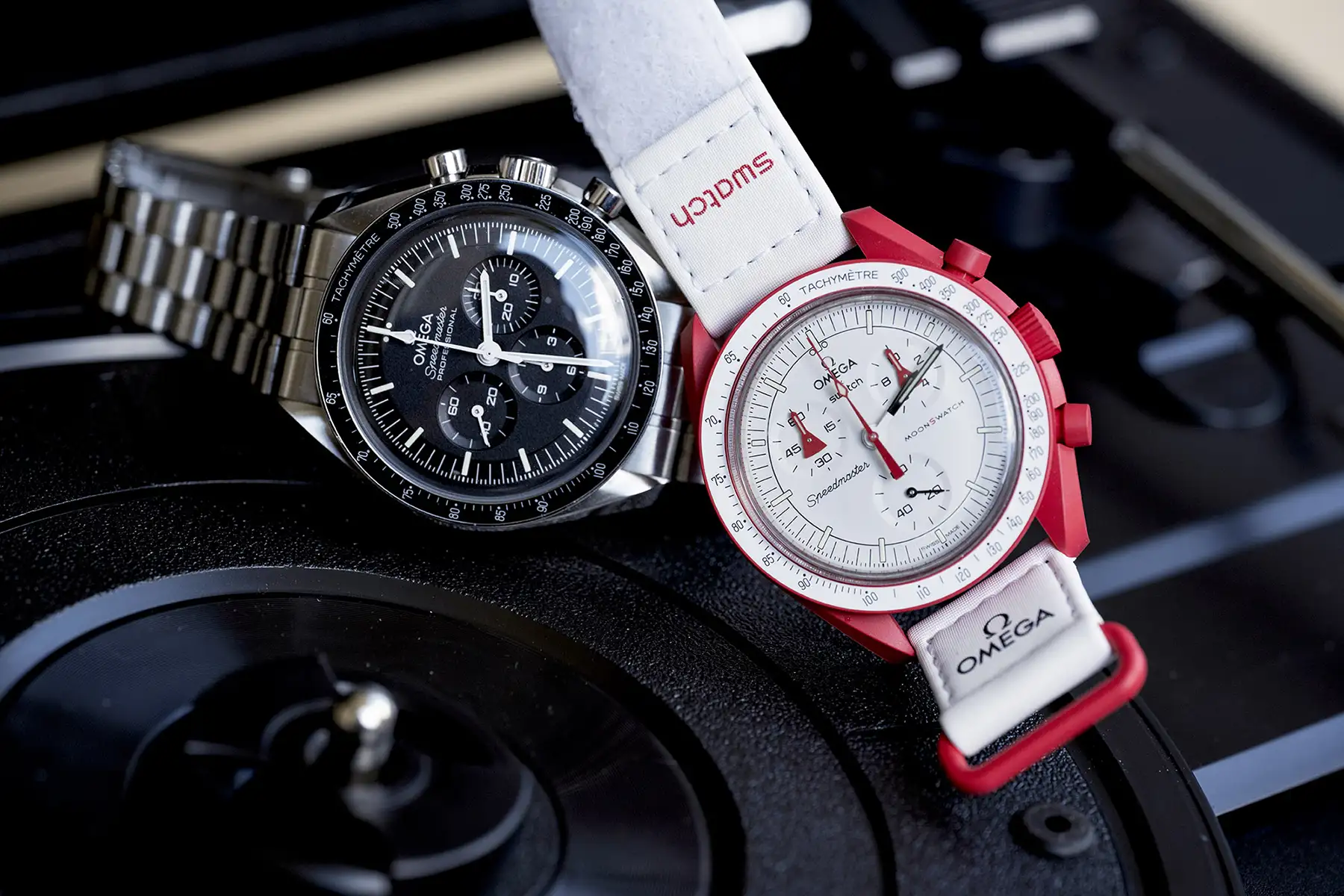
Mr. Ritschel also believes that the MoonSwatch, the Swatch/Omega collaboration, belongs in the discussion of collabs, new brands and entry-level collections. He draws a parallel with Karl Lagerfeld’s collection with H&M back in November 2004, in which a collection of 30 affordable garments sold out extremely quickly. “It was a strong, shocking moment. Many believed Karl Lagerfeld would be destroyed by downgrading. But the contrary happened – both Lagerfeld and H&M grew stronger,” he said, adding that Omega made an “extremely courageous” move by working with Swatch. “Purists called it crazy, ridiculous and stupid. But it gave huge advantages to both brands. It reignited the collector spirit in Swatch, and Omega now has a much fresher positioning after this, as they reached a new community with new clients.”
According to Blancpain CEO Marc Hayek, this also goes for Blancpain x Swatch, with Bioceramic versions of Blancpain’s Fifty Fathoms dive watch. “It was more than a commercial success; it created a global conversation. It opened Blancpain to new audiences, proved that prestige watchmaking can be playful, and reminded people of the enduring relevance of mechanical watches. It’s also a new way to engage a new generation of watch enthusiasts, inviting them to discover mechanical watchmaking in a fresh, unexpected way,” he said in an interview I had with him for German business magazine Wirtschaftswoche.
So, the phenomenon has century-long roots in the mainstream world. It was however the November 2024 launch of Grøne that made me realize that this is also a growing phenomenon in the independent world of watchmaking. Introduced by the Dutch brothers Tim and Bart Grønefeld who started the high-end brand Grønefeld in 2008, it is to my knowledge the most recent example. A couple of weeks ago I called Tim to learn more about the strategy. “Look at Lexus high end and Toyota lower end. Both cars are made by Toyota, and they could have made them under the same brand – but they didn’t. For me, if the price difference is too large, it should have a different brand name for them to understand,” he said. If one were to make a comparison with the world of fashion, Tim compares Grøne (with a retail price of around $2,500) with prêt-à-Porter (ready-to-wear), whereas Grönefeld, from $58,100, is haute couture.
The main reason for starting Grøne is that it is currently impossible to manufacture more than 80 Grønefeld watches per year. The brothers simply cannot find more watchmakers for the extremely innovative, work-intensive, high-complication watches, all with intricate hand-finishing. Thus, they wanted to offer something to people who don’t want to wait for years (you must wait for around three-and-a-half years on a Grönefeld, and it currently is not possible to place an order). They also wanted to offer something affordable, especially for “normal people who can’t spend €50,000 on a watch.”
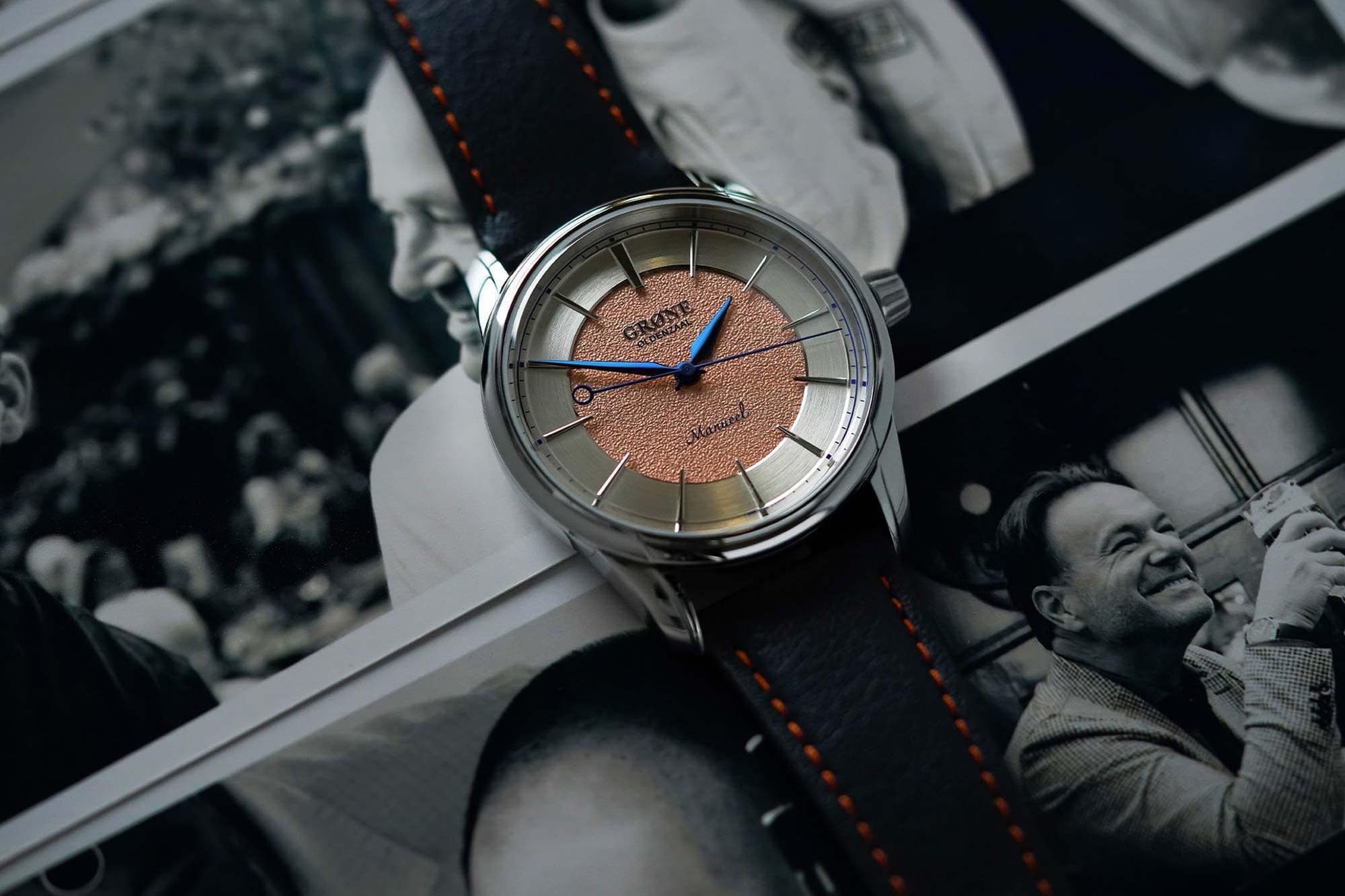
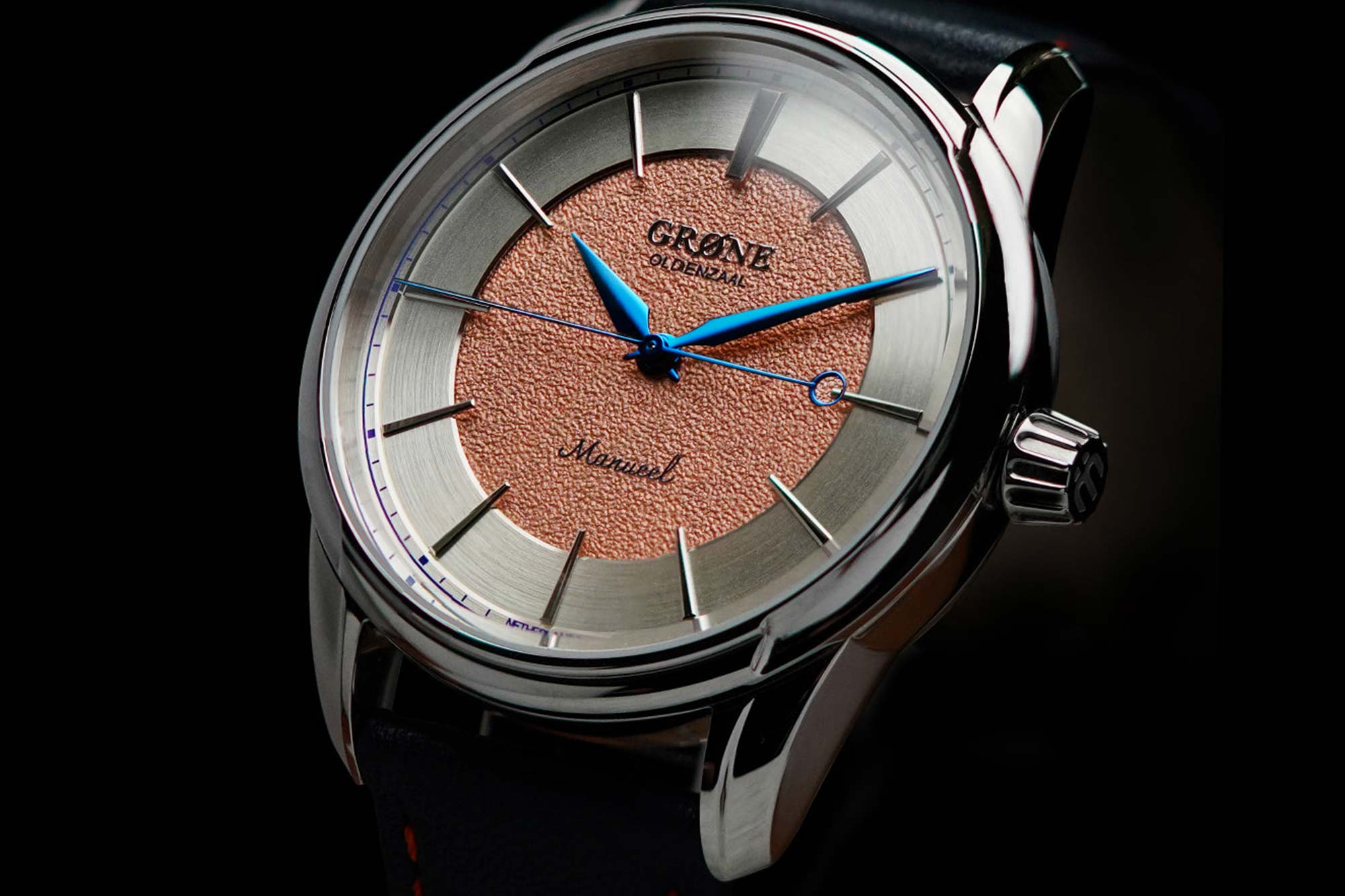
Thanks to Grøne, the brand has come in contact with a lot of new, young collectors. The first Grøne watch is the sector-dialed Manueel 1, a 38.5-millimeter watch, with a tremblage salmon center and rhodium-plated perimeter. This was made in a limited edition of 388 pieces that were sold out 3 weeks after the official launch. “It is really cool to see more of our watches on people’s wrists; to be able to see people in my town wear a Grøne makes me proud,” Tim said, adding that the second and latest model, released in May 2025, also sold out.
Tim is transparent about the fact that when it comes to Grøne, everything apart from design and quality control is outsourced. “We cannot put more pressure on our Grönefeld watchmakers; we are at maximum capacity.” Instead, they work with “trusted partners” in Asia for parts and assembly, but the manually wound movement is Swiss, made by Sellita. “So, we cut costs, while keeping many of our design features.”
It is not only the level of watchmaking that differs between the sibling Dutch brands. There is a different approach and different marketing. “Grönefeld is about having fun in serious watchmaking, whereas Grøne is more about having fun in life.”
“Just for the fun of it,” is also the reason why Hajime Asaoka, founder of the eponymous brand, formed its more affordable sister brand Kurono Tokyo in 2019. Hajime Asaoka’s watches, which hover around the $100,000 mark, include the Project-T Tourbillon (2014), Tourbillon Pura, as well as a Chronograph. But his annual output of watches is only around five per year. Which is a lot, given that all parts are manufactured, decorated and assembled in his tiny workshop. But this extremely limited supply made him keen to reach a larger audience. Enter Kurono Tokyo, all designed by Hajime Asaoka – with production runs in the hundreds. One of its latest releases, the 34-millimeter Calligra, retails at $1,320 plus taxes. It comes with silver white, stark black or dark mother-of-pearl sector dials.

Mr. Asaoka believes that this will not affect the value of the original brand. “A brand’s aesthetics and identity are shaped through a collaboration between the brand and its customers. Although Kurono Tokyo and Hajime Asaoka Tokyo Japan differ in price, both create products that truly resonate with genuine watch enthusiasts. As long as they stay true to this philosophy, they will continue to attract the great customers, and regardless of price, the high-end brand’s value will not be compromised,” he explained, adding that having two brands allows him to have two faces: one as a designer and the other as a watchmaker.
Many experts would argue that the catalyst of this recent trend is MB&F and its more accessible M.A.D. Editions, first launched in 2021. On the outskirts of Geneva, in the castle-like HQ of MB&F, its head of marketing communications Charris Yadigaroglou recently reached a conclusion. “We used to call the M.A.D. Editions a side project, alternative label, all kinds of things – but now we started saying it is a second brand. We have four colleagues dedicating 95% of their time to the M.A.D. Editions, and we make a total of 4,000 to 4,500 pieces per year. So, M.A.D. Editions has in its five years grown to be 20% of our turnover,” he said of the new brand, which has made two watches in six different versions.
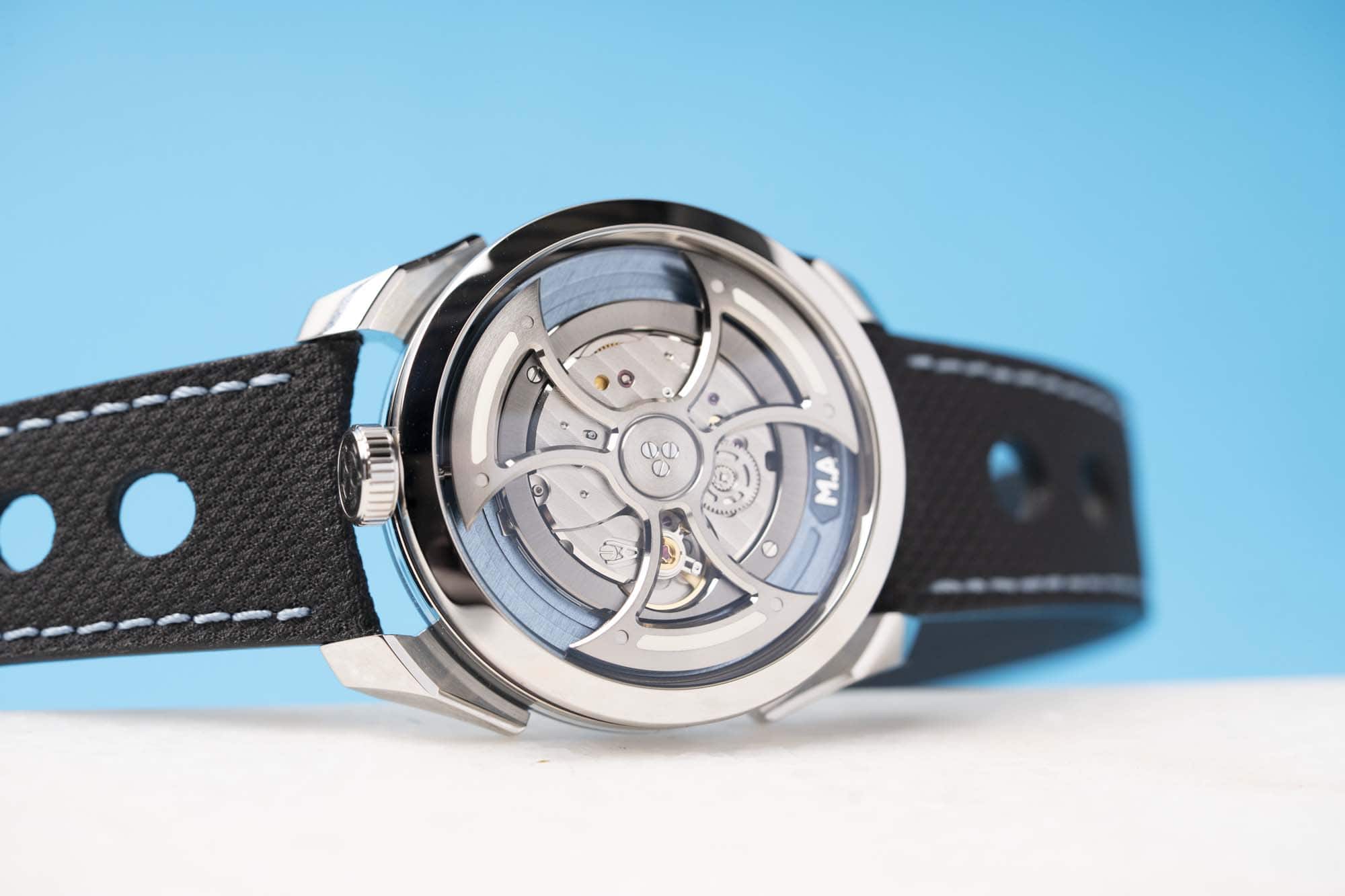
The most recent, the 42-millimeter M.A.D.2 ($3,615 plus taxes) is designed by Eric Giroud, a longtime MB&F collaborator. Albeit described as a “love letter to the ’90s club culture”, it is also a subtle homage to the 1940s with a sector dial and bicompax-inspired set-up, where one spinning disc tells the hours and the other the minutes.
The idea to make something more accessible for friends and family who can’t afford its top-shelf creations first came up 15 years ago. But it was not until Covid hit in 2020 that the idea was properly set in motion. “Nobody knew what would happen, and all retailers were shutting down. So, we were looking for something that could give us some extra months of survival until Covid finished,” Mr. Yadigaroglou revealed. As we know now, the opposite happened – MB&F and many other independent brands’ sales shot through the roof, pushed by frustrated collectors barricaded at home. But as the more affordable M.A.D. Editions project had been set in motion, they decided to move ahead.

Five-hundred pieces were made of the M.A.D.1 explicitly for suppliers and the tribe of collectors the brand has amassed. However, the brand copped a fair amount of criticism for this. “A lot of people said ‘finally you make something that I could afford. But it is still not accessible?’” Around nine months later the brand was working towards a 1,500 piece production run and felt that a lottery system was the fairest way to allocate them. When the first 100 pieces were released, 8,000 or 9,000 people signed up. “We could never have imagined this,” said Mr. Yadigaroglou, adding that a lottery system was still the way they allocated a majority of the M.A.D.Editions, which now has two product drops per year.
Finnish brand Leijona has taken the opposite direction to MB&F. As a brand selling close to 100,000 Asian-made quartz watches per year, the brand wants to revisit its roots when Leijona watches were made in Switzerland. And if you are a Finnish brand, what better partner than master watchmaker Kari Voutilainen? Voutilainen x Leijona is perhaps the industry’s best-kept secret. Or did you already know that you could get a watch made by Kari Voutilainen for between $2,900 and $5,800?

Although Mr. Voutilainen’s logo is not visible on the dials made in this collaboration – produced in the hundreds – it is his case-making and dial-making facilities that make the Leijona Heritage 1907 Collection, which has four models: Försti Diver; Urho Chrono on a big-holed rally driver’s strap; Oiva Classic, a time-only graphite black or classic white minimalistic dream; and the cushion-shaped Jalo Sport with baton hands circling a deep blue sunburst dial. “With all four watches we did everything from scratch, apart from the automatic Sellita movement,” said Jari Mantila, sales manager of Leijona.
With the Leijona Heritage 1907 Collection, Mr. Mantila wants to bring Leijona back to where it once was, and he believes that it could be a first step towards something larger. “Leijona should be more respected again. I am hoping that we can build Leijona in the next 100 years into something different.”

And what about the second-hand market? “The interest for these more affordable brands is overwhelming. They are so hot immediately after a launch that if one is available second-hand it will be above retail,” said Arthur Touchot. A former journalist who also worked for the auction house Philips, he is the co-founder of Marteau & Co, the world’s first circular auction platform for watchmakers.
According to Mr. Touchot, the phenomenon above all derives from the brand founders being deeply creative individuals. “Just look at Max [Büsser, MB&F founder], his enthusiasm is just as palpable as when he talks about MB&F. M.A.D. Editions are his babies,” he said, adding that these main brands are fundamentally limited in production by a self-imposed choice of being uncompromising in what they do. “I think launching a sister brand is an elegant solution for them. They can be creative and make more accessible models, while exploring a design language. This attracts new young collectors who will start a relationship with the brand, which will deepen over time. I think it is brilliant – if these watchmakers have any opportunity to express ideas and personality in more affordable ways, I am all for it.”
The post Affordable Excellence: How High End Watch Brands are Creating Accessible Options for the Enthusiast appeared first on Worn & Wound.
from Worn & Wound https://ift.tt/b3Y4NPF


Comments
Post a Comment